The First U.S. Legation
Marks of Friendship: 250 Years of U.S. Diplomatic Treasures
America’s Dedicated Friend at the Crossroads of Two Continents
“This young nation, just recovering from the waste and desolation of a long war, have not, as yet, had time to acquire riches by agriculture and commerce. But our soil is bountiful, and our people industrious; and we have reason to flatter ourselves, that we shall gradually become useful to our friends.”
—President George Washington’s letter to the Sultan of Morocco, December 1, 1789
In 1777, it took some two months to sail from Philadelphia, the busiest port of the thirteen colonies, to Tangier, on the Strait of Gibraltar. The 3,300-mile trip across the Atlantic to the Kingdom of Morocco was a standard route for merchants seeking to trade their wares for goods unavailable in the colonies.
Why is a city in the North African nation of Morocco significant to the story of America? Because on December 20, 1777, Morocco’s Sultan Mohammed III formally recognized the independence of the American Republic—the first foreign leader to do so. The sultan realized the importance of establishing friendship with America to foster trade and maintain positive relationships with the Western world. Similarly, President George Washington also understood the strategic value to America of acquiring a diplomatic partner abroad.
By June 1786, the Moroccan–American Treaty of Peace and Friendship was signed by both countries. The treaty strengthened the international presence of the fledgling United States, represented America’s first treaty with a Muslim nation, and protected American ships from the Barbary pirates. It remains in effect—240 years later—and is the United States’ oldest unbroken treaty. The Moroccan–American partnership it launched continues to thrive based on our shared commitment to security, peace, and mutual respect.
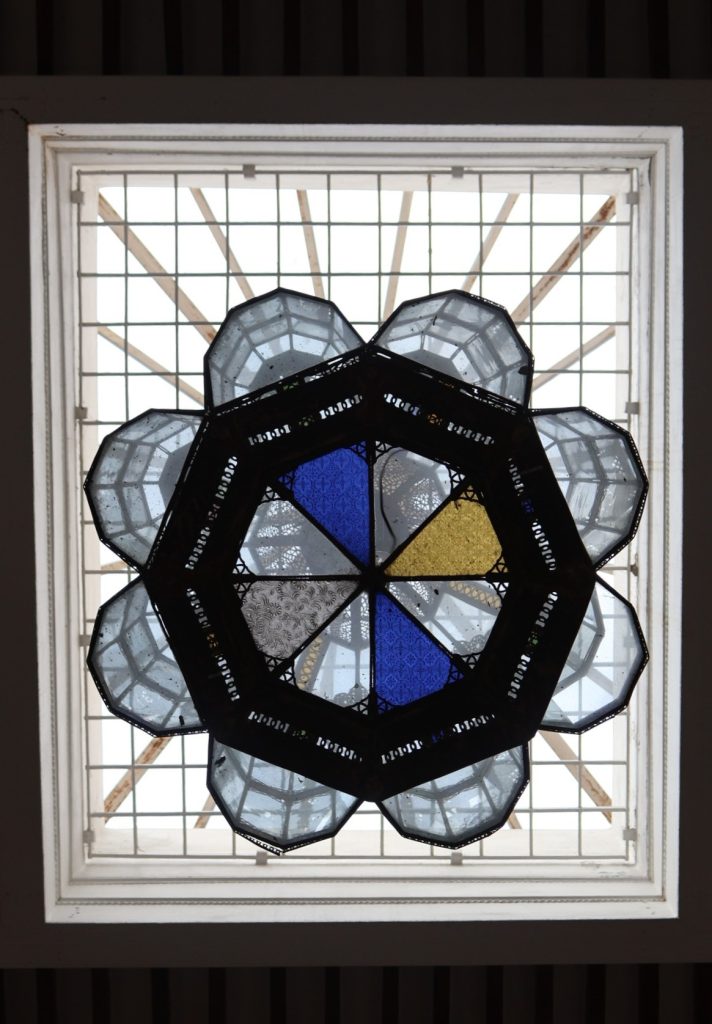
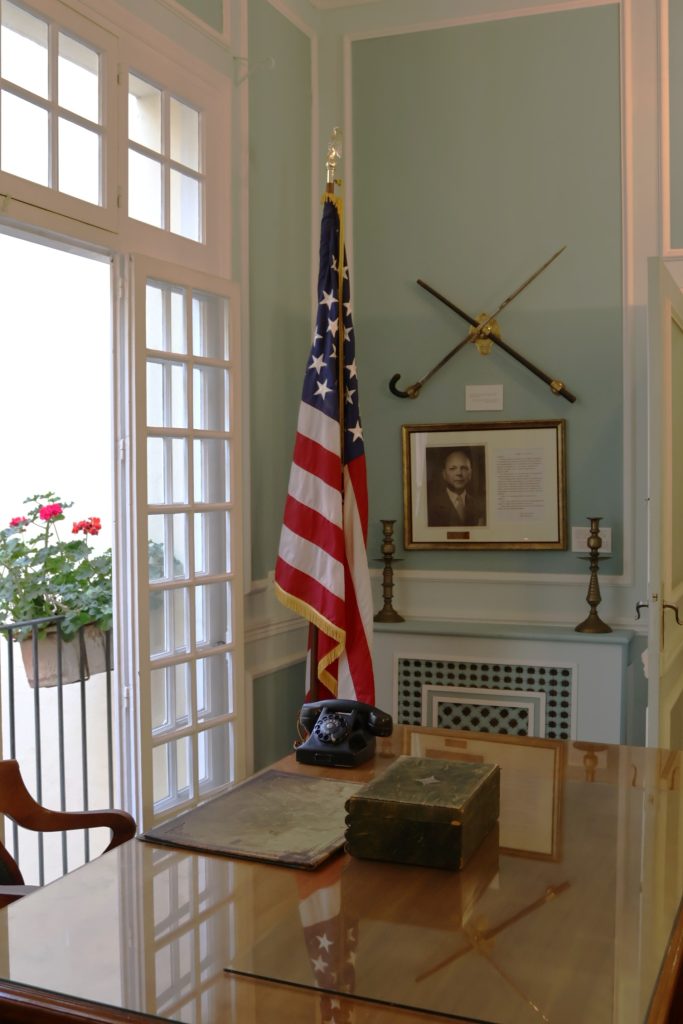
Tangier American Legation Museum, Morocco
Maxwell Blake
American, 1877–1959
Born in Kansas City, Missouri, career Foreign Service Officer Maxwell Blake served for 35 years in a variety of diplomatic positions in Portugal, Colombia, Scotland, Morocco, Albania, France and Australia.
Blake was the longest-serving U.S. envoy in Tangier (1912–22, 1925–40). During the quarter century he lived there, he hired Moroccan artisans to repair the dilapidated U.S. Legation, an 1821 gift to America from Morocco’s Sultan and the new nation’s first property abroad.
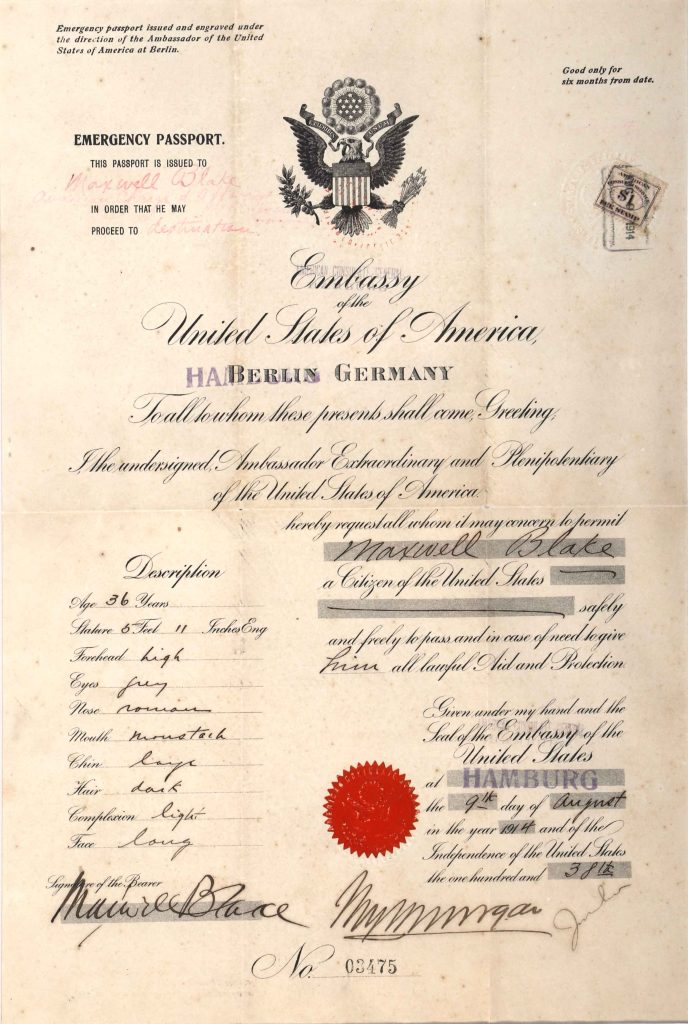
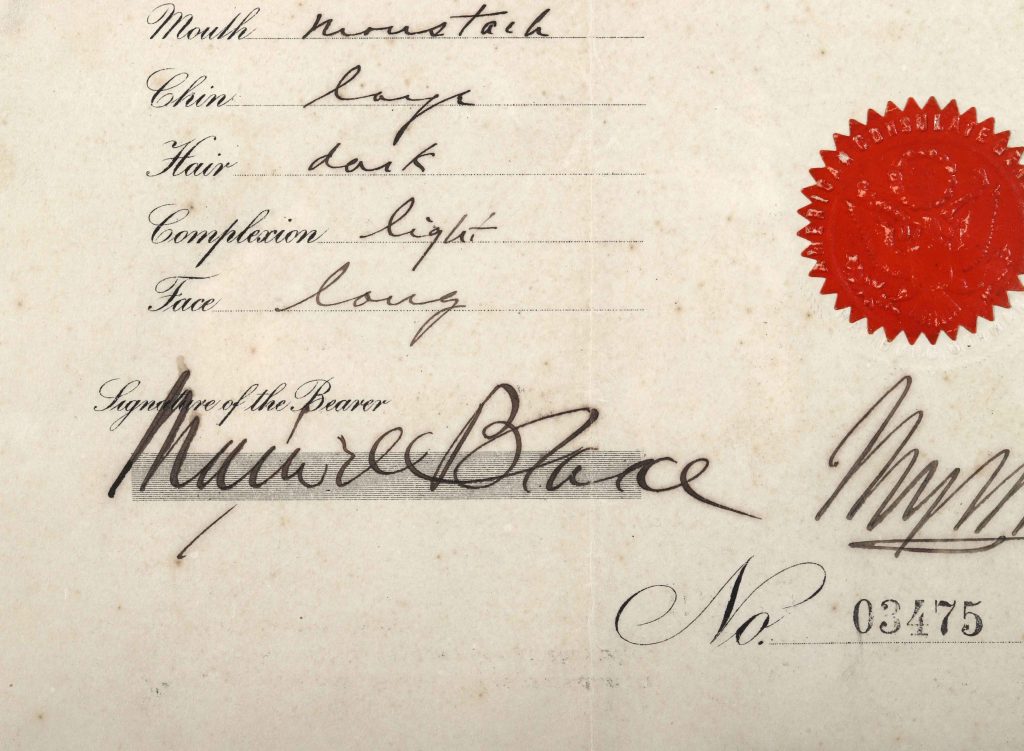
This emergency passport was issued in Hamburg, Germany on August 9, 1914, six days after Germany declared war on France at the outset of World War I. Note that it identifies Blake via vague facial descriptions instead of a photograph, describing his chin, for instance, as “large.”
On loan from the collection of the Tangier American Legation Museum
Tangier American Legation Museum, Morocco
Maxwell Blake
American, 1877–1959
Born in Kansas City, Missouri, career Foreign Service Officer Maxwell Blake served for 35 years in a variety of diplomatic positions in Portugal, Colombia, Scotland, Morocco, Albania, France and Australia.
Blake was the longest-serving U.S. envoy in Tangier (1912–22, 1925–40). During the quarter century he lived there, he hired Moroccan artisans to repair the dilapidated U.S. Legation, an 1821 gift to America from Morocco’s Sultan and the new nation’s first property abroad.
This emergency passport was issued in Hamburg, Germany on August 9, 1914, six days after Germany declared war on France at the outset of World War I. Note that it identifies Blake via vague facial descriptions instead of a photograph, describing his chin, for instance, as “large.”
On loan from the collection of the Tangier American Legation Museum
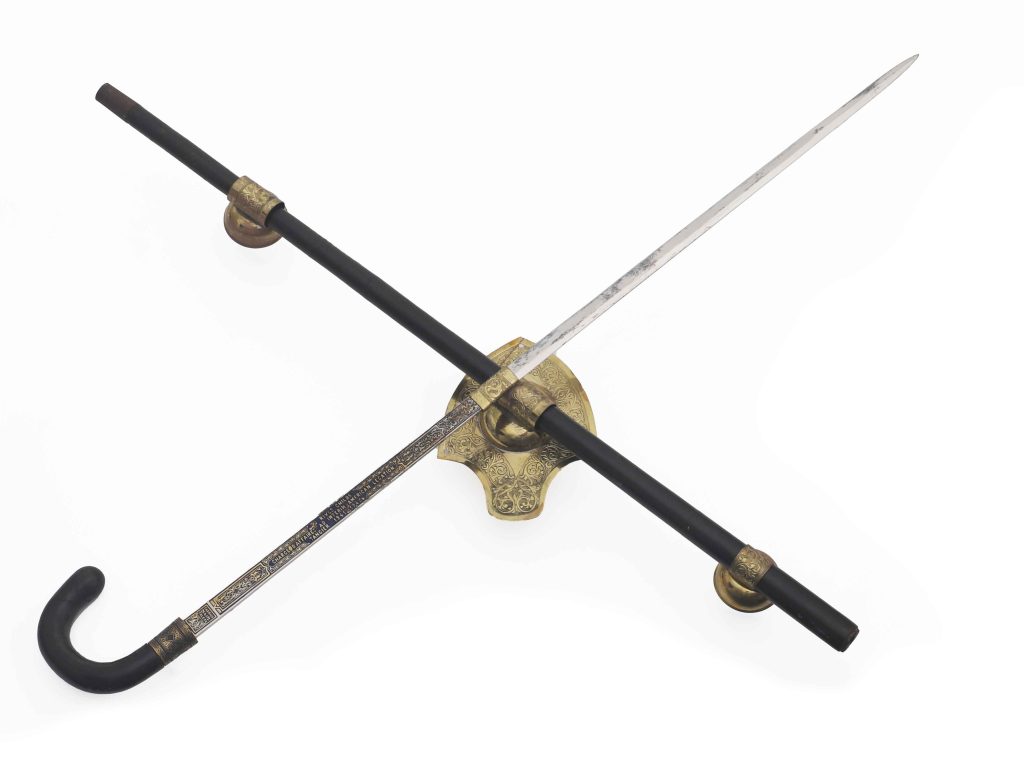
James Rives Childs
American, 1893–1987
James Rives Childs arrived in Tangier in 1941, ten months before the U.S. entered World War II, to serve as Chargé d’Affaires in the strategically important Kingdom of Morocco. As the senior U.S. official in North Africa, he led the ever-expanding staff of military officers, diplomats, and spies of the newly formed Office of Strategic Services (precursor to the CIA) in secret preparations for Operation Torch, the 1942 allied landings in North Africa which began to turn the war’s tide.
Childs, a Virginian, joined the U.S. Foreign Service in 1923. After Morocco, he went on to serve as ambassador to Saudi Arabia and Ethiopia.
This cane-sword, or swordstick, is on loan from the Tangier American Legation Museum in Tangier, Morocco. Cane-swords were a fashion accessory among the wealthy in Europe during the 18th and 19th centuries.
On loan from the collection of the Tangier American Legation Museum
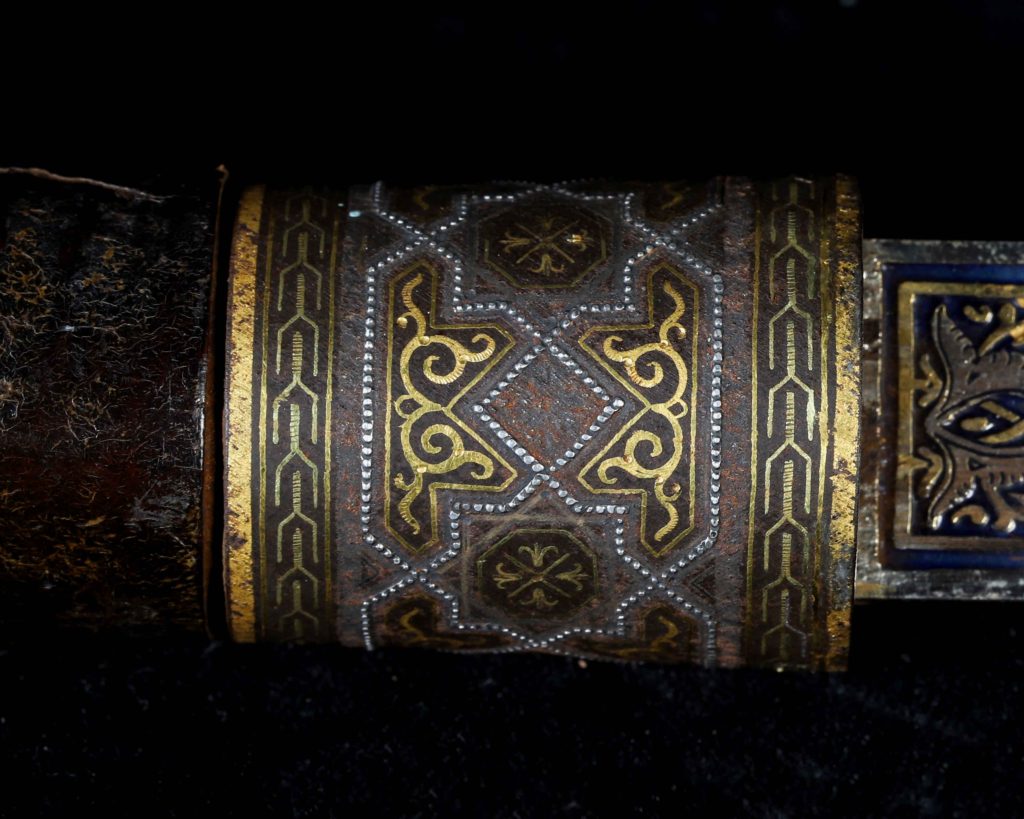
James Rives Childs
American, 1893–1987
James Rives Childs arrived in Tangier in 1941, ten months before the U.S. entered World War II, to serve as Chargé d’Affaires in the strategically important Kingdom of Morocco. As the senior U.S. official in North Africa, he led the ever-expanding staff of military officers, diplomats, and spies of the newly formed Office of Strategic Services (precursor to the CIA) in secret preparations for Operation Torch, the 1942 allied landings in North Africa which began to turn the war’s tide.
Childs, a Virginian, joined the U.S. Foreign Service in 1923. After Morocco, he went on to serve as ambassador to Saudi Arabia and Ethiopia.
This cane-sword, or swordstick, is on loan from the Tangier American Legation Museum in Tangier, Morocco. Cane-swords were a fashion accessory among the wealthy in Europe during the 18th and 19th centuries.
On loan from the collection of the Tangier American Legation Museum
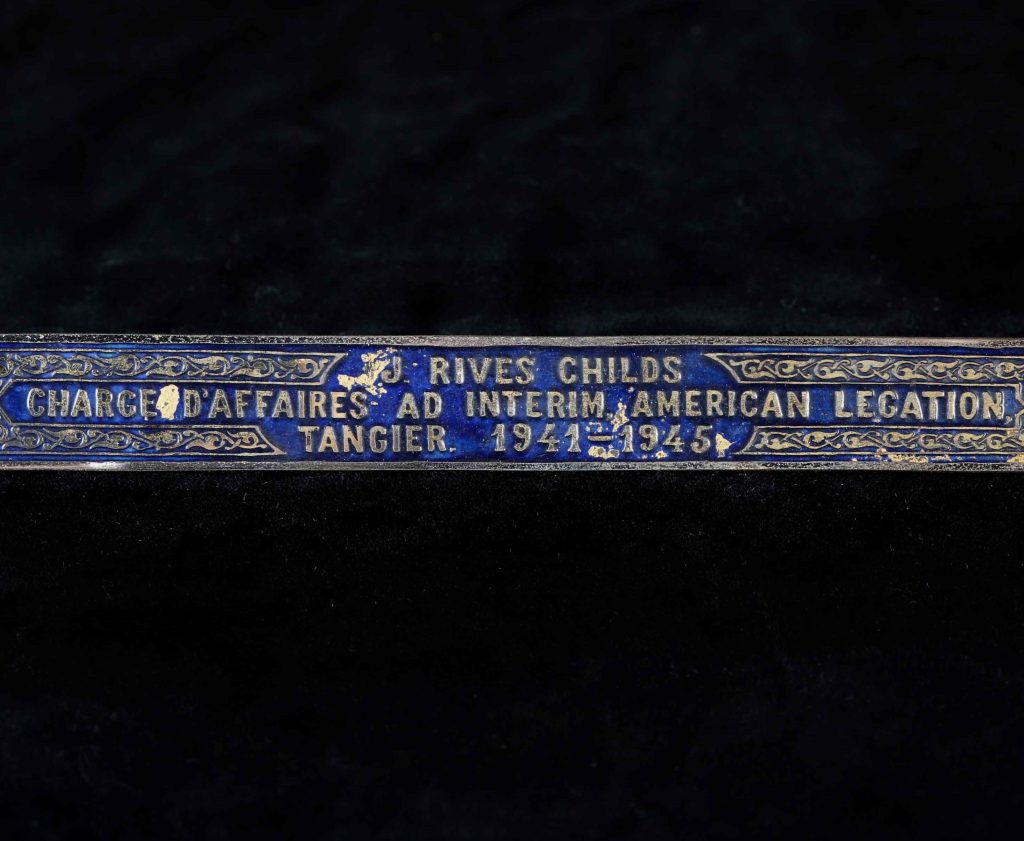
James Rives Childs
American, 1893–1987
James Rives Childs arrived in Tangier in 1941, ten months before the U.S. entered World War II, to serve as Chargé d’Affaires in the strategically important Kingdom of Morocco. As the senior U.S. official in North Africa, he led the ever-expanding staff of military officers, diplomats, and spies of the newly formed Office of Strategic Services (precursor to the CIA) in secret preparations for Operation Torch, the 1942 allied landings in North Africa which began to turn the war’s tide.
Childs, a Virginian, joined the U.S. Foreign Service in 1923. After Morocco, he went on to serve as ambassador to Saudi Arabia and Ethiopia.
This cane-sword, or swordstick, is on loan from the Tangier American Legation Museum in Tangier, Morocco. Cane-swords were a fashion accessory among the wealthy in Europe during the 18th and 19th centuries.
On loan from the collection of the Tangier American Legation Museum
An American Landmark and Diplomatic Treasure
In 1821, the Moroccan Sultan Suliman presented a remarkable gift of friendship to the U.S. Consul in Tangier: a building for use as offices and a residence. Known as the Tangier American Legation, it is the first property abroad owned by the United States. The Legation served as a U.S. diplomatic outpost for a record 140 years—from the Jacksonian Era to the Space Age.
The Tangier American Legation was no longer utilized by the U.S. in 1975 and faced being put up for sale. Alarmed at the prospect, a dedicated group of private individuals established a nonprofit organization, the Tangier American Legation Institute for Moroccan Studies (TALIM) to save the building. Today, TALIM operates a museum, research library, and cultural center, offering educational programs, music performances, and exhibits.
The largest object in many diplomatic heritage collections is, of course, the historic building in which the diplomatic treasures are showcased. A symbol of the longstanding friendship between the United States and Morocco, the Legation was designated as America’s only National Historic Landmark abroad in 1982. Today, the Legation requires substantial repairs to ensure its future as a tangible marker of more than two centuries of friendship with the Kingdom of Morocco.

OUR NON-PROFIT PARTNER
The Fund to Conserve was established, in 2012, as a 501(c)(3), independent, non-profit, nonpartisan private sector partner to the U.S. Department of State, Overseas Buildings Operations, Office of Cultural Heritage. The purpose of this public-private partnership is to fund – through philanthropic giving – the conservation and preservation of the Department of State’s many properties of cultural and architectural significance, and the heritage collections they house.