Early American Diplomacy
Marks of Friendship: 250 Years of U.S. Diplomatic Treasures
“The Constitution only gives people the right to pursue happiness. You have to catch it yourself.”
—Benjamin Franklin, First American Diplomat, 1776–1785
The thirteen colonies needed diplomatic representatives abroad—even prior to the signing of the Declaration of Independence. Diplomats successfully made the case for independence to key European leaders, thus, helping to enable American farmers, shopkeepers, and tradesmen to win the fight for freedom from foreign rule.
Benjamin Franklin, our first diplomat, arrived in Paris in December 1776 with instructions from the Continental Congress to secure vital French support. His advantage? The “Father of Electricity” was the most famous American in the world. His challenge? To convince King Louis XVI of France to aid a struggling republic in rebelling against a fellow king, George III of Great Britain.
Despite long odds and American defeats on the battlefield, Franklin triumphed diplomatically—a stunning, improbable success. He charmed the French, inspired the Marquis de Lafayette and others to pitch in, and secured essential funding, weaponry, and military support. Without the French Navy offshore, its soldiers in battle, and its muskets in American hands at Yorktown, General George Washington and the Continental Army might not have ejected the British from America’s shores.
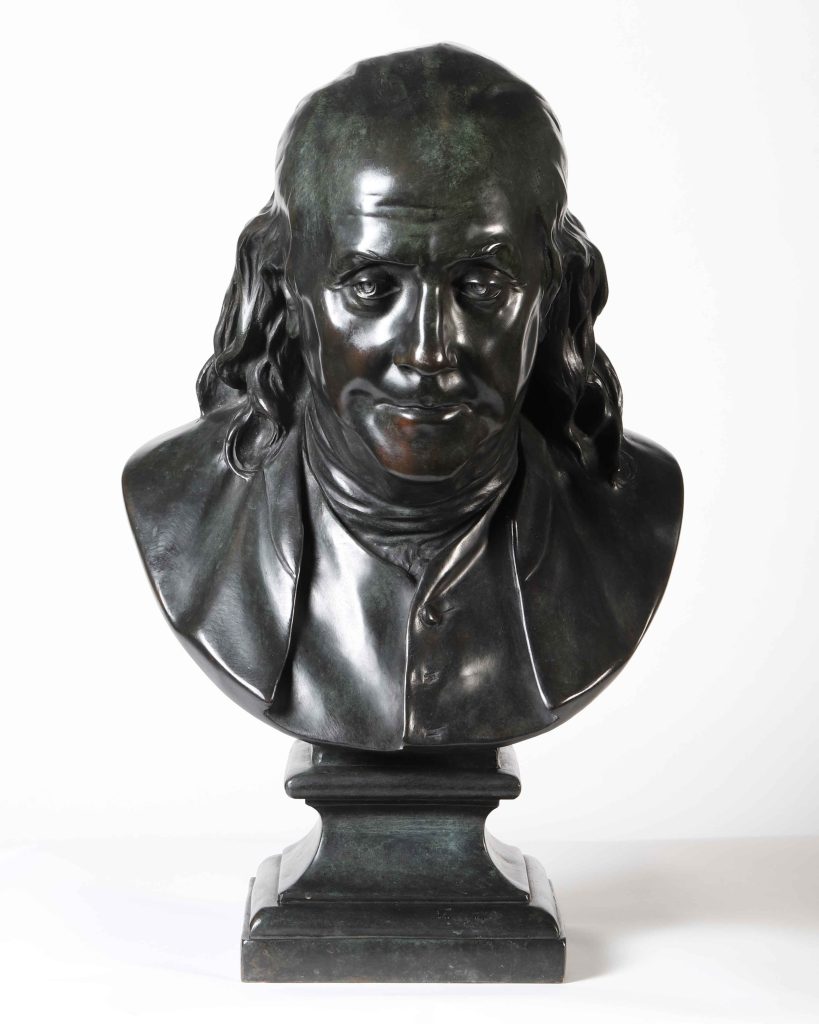
U.S. Embassy Prague, Czech Republic
Excalibur Bronze Fine Art Foundry
New York City, mid-20th century
This American-made bronze bust of Benjamin Franklin exemplifies the challenge facing the handful of State Department experts charged with looking after the worldwide collection of thousands of objects at U.S. diplomatic and consular posts abroad.
Displayed for decades on a bookshelf in Villa Petschek, the historic neo-Baroque U.S. ambassador’s residence in Prague, the striking bust was thought to be a 19th century artifact and perfect for exhibition during America’s 250th. Then curators spotted a foundry mark pointing to its 20th century New York City provenance. It was likely brought to Prague by one of the residence’s ambassadorial occupants. Perhaps Ambassador Shirley Temple Black, who lived at the residence between 1989 and 1992?
Regardless of how it came to Prague, the bust of Ben Franklin is at home in Villa Petschek’s library. It presides over a notable collection of books left by the aristocratic Petschek family, which fled the Czech capital for New York City after the 1938 Munich Agreement. Franklin once proposed the idea of “a Federal Union and One Grand Republic” for Europe. During the Cold War, when European unity was still a dream, U.S. ambassadors invited dissidents like Václav Havel to gatherings in the library to discuss similar concepts.
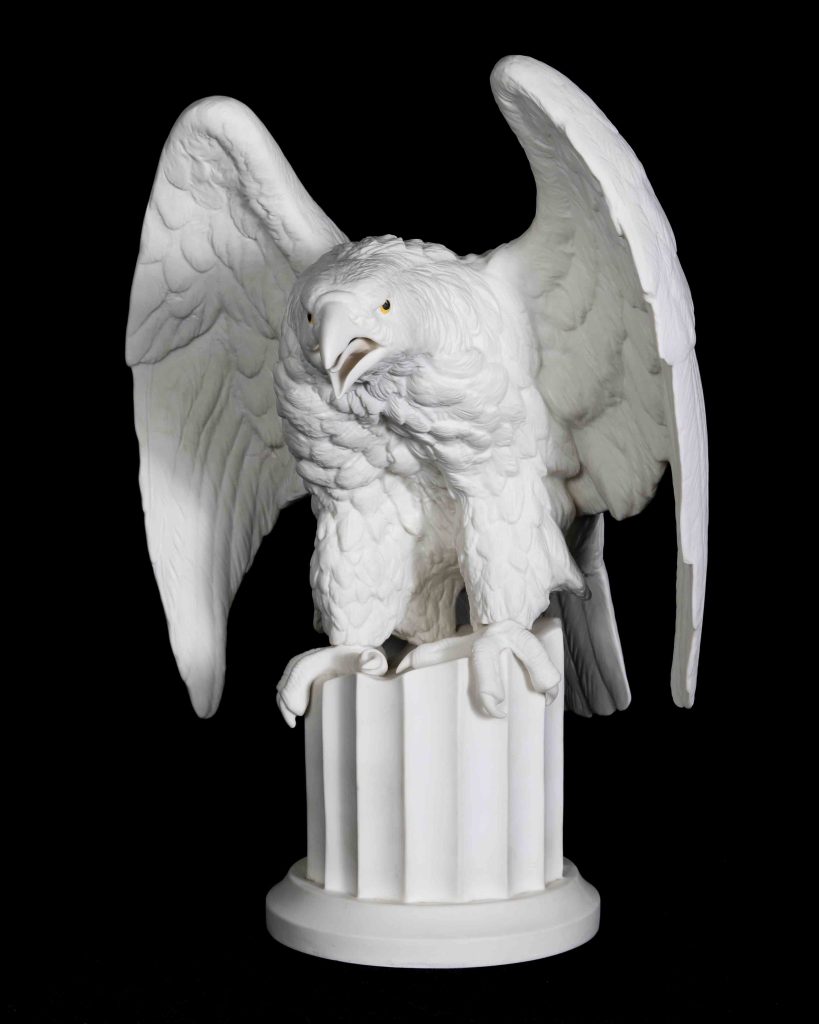
U.S. Embassy London, United Kingdom
Edward Marshall Boehm
American, 1913–1969
A Baltimore, Maryland native, Edward M. Boehm was a largely self-taught figurative expressionist sculptor who specialized in hard paste porcelain figures of birds and wildlife. His work is displayed in the permanent collections of 134 institutions globally, including the White House, Smithsonian, Buckingham Palace, The Vatican, the Hermitage, and the Museum of Modern Art in New York City.
He is the only American to have a wing named after him at the Vatican Museum.
This eagle was a gift from Boehm to the U.S. Embassy in London to honor President John F. Kennedy in 1961. The gift may have been prompted by the President’s visit to London in June of that year with First Lady Jacqueline Kennedy.
Boehm’s decision to depict an eagle may have also been an homage to the two-ton golden-hued aluminum sculpture of a bald eagle created by fellow American artist, Theodore Roszak, and set atop the then-new U.S. Embassy in London. The building, which opened in 1960 and was decommissioned in 2018, was designed by noted American architect, Eero Saarinen.
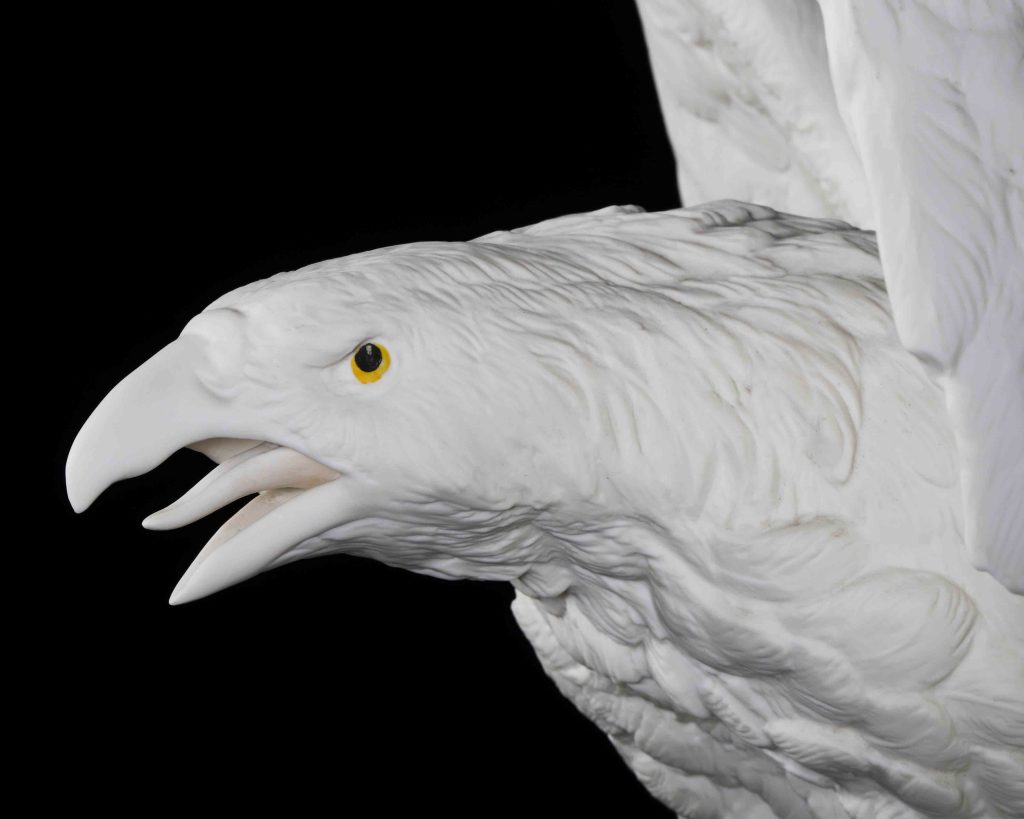
U.S. Embassy London, United Kingdom
Edward Marshall Boehm
American, 1913–1969
A Baltimore, Maryland native, Edward M. Boehm was a largely self-taught figurative expressionist sculptor who specialized in hard paste porcelain figures of birds and wildlife. His work is displayed in the permanent collections of 134 institutions globally, including the White House, Smithsonian, Buckingham Palace, The Vatican, the Hermitage, and the Museum of Modern Art in New York City.
He is the only American to have a wing named after him at the Vatican Museum.
This eagle was a gift from Boehm to the U.S. Embassy in London to honor President John F. Kennedy in 1961. The gift may have been prompted by the President’s visit to London in June of that year with First Lady Jacqueline Kennedy.
Boehm’s decision to depict an eagle may have also been an homage to the two-ton golden-hued aluminum sculpture of a bald eagle created by fellow American artist, Theodore Roszak, and set atop the then-new U.S. Embassy in London. The building, which opened in 1960 and was decommissioned in 2018, was designed by noted American architect, Eero Saarinen.
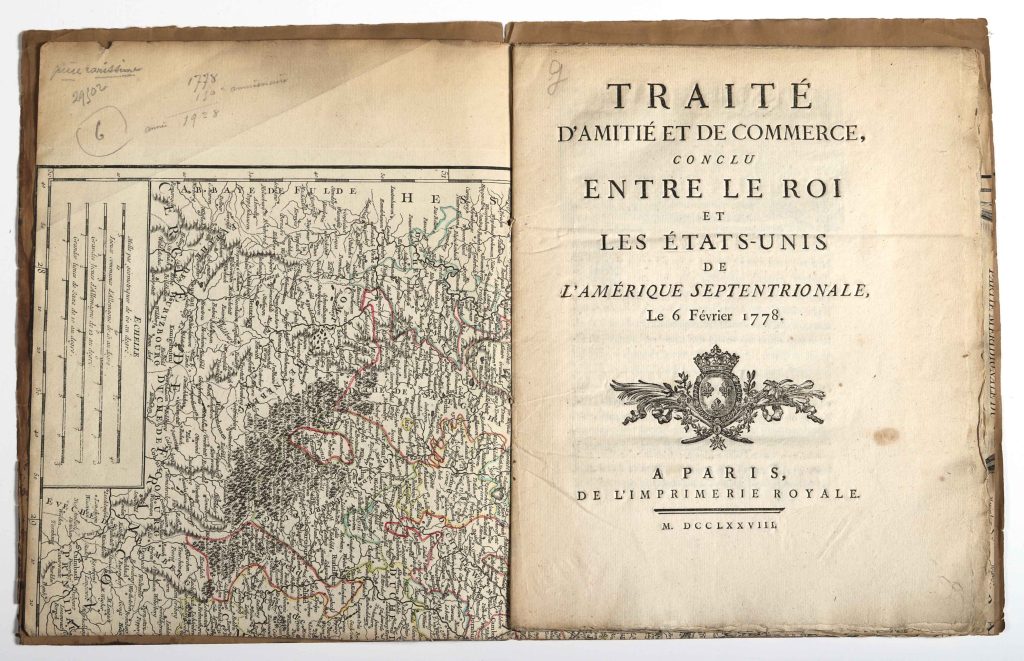
U.S. Embassy Paris, France
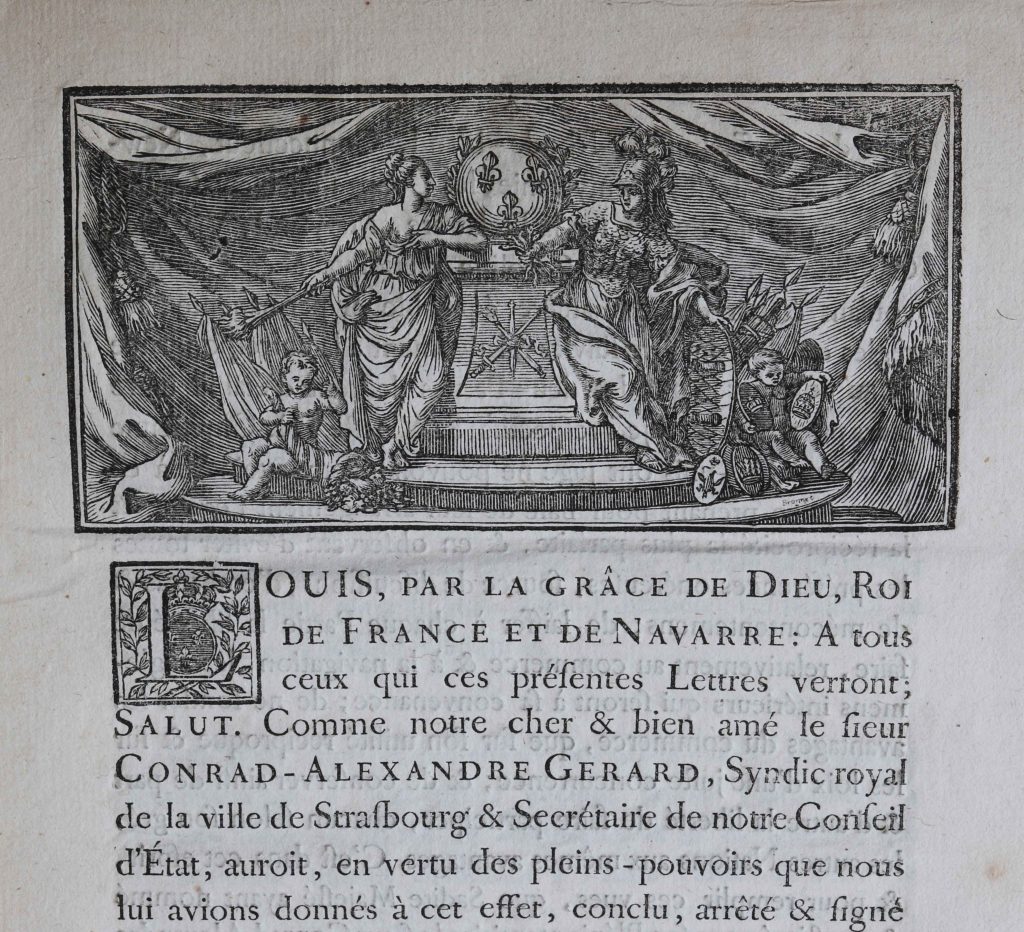
Signed on February 6, 1778, this document, known as the Treaty of Amity and Commerce, along with the companion Treaty of Alliance (signed on the same day), formalized the alliance that secured France’s military and financial support for America’s Revolutionary War effort. The treaties were negotiated by Benjamin Franklin, Silas Deane, and Arthur Lee, to guarantee mutual defense, establish an official commercial relationship, and recognize American independence.
The alliance was the most important diplomatic success of the Revolutionary War. It was crucial to the American victory, with French naval and military support, at the battle of Yorktown, Virginia, in 1781.
The treaty was signed at the Hôtel de Coislin, Silas Deane’s residence on Paris’s Place de la Concorde, adjacent to the location of today’s U.S. Embassy.
This original copy of the treaty is part of the Hugh Wallace Library collection at the U.S. Embassy in Paris.
U.S. Embassy Paris, France
Signed on February 6, 1778, this document, known as the Treaty of Amity and Commerce, along with the companion Treaty of Alliance (signed on the same day), formalized the alliance that secured France’s military and financial support for America’s Revolutionary War effort. The treaties were negotiated by Benjamin Franklin, Silas Deane, and Arthur Lee, to guarantee mutual defense, establish an official commercial relationship, and recognize American independence.
The alliance was the most important diplomatic success of the Revolutionary War. It was crucial to the American victory, with French naval and military support, at the battle of Yorktown, Virginia, in 1781.
The treaty was signed at the Hôtel de Coislin, Silas Deane’s residence on Paris’s Place de la Concorde, adjacent to the location of today’s U.S. Embassy.
This original copy of the treaty is part of the Hugh Wallace Library collection at the U.S. Embassy in Paris.
U.S. Embassy Bern, Switzerland
Arthur E. Wullschleger (Wullschleger & Company, Inc., New York City)
American, 1881–1965
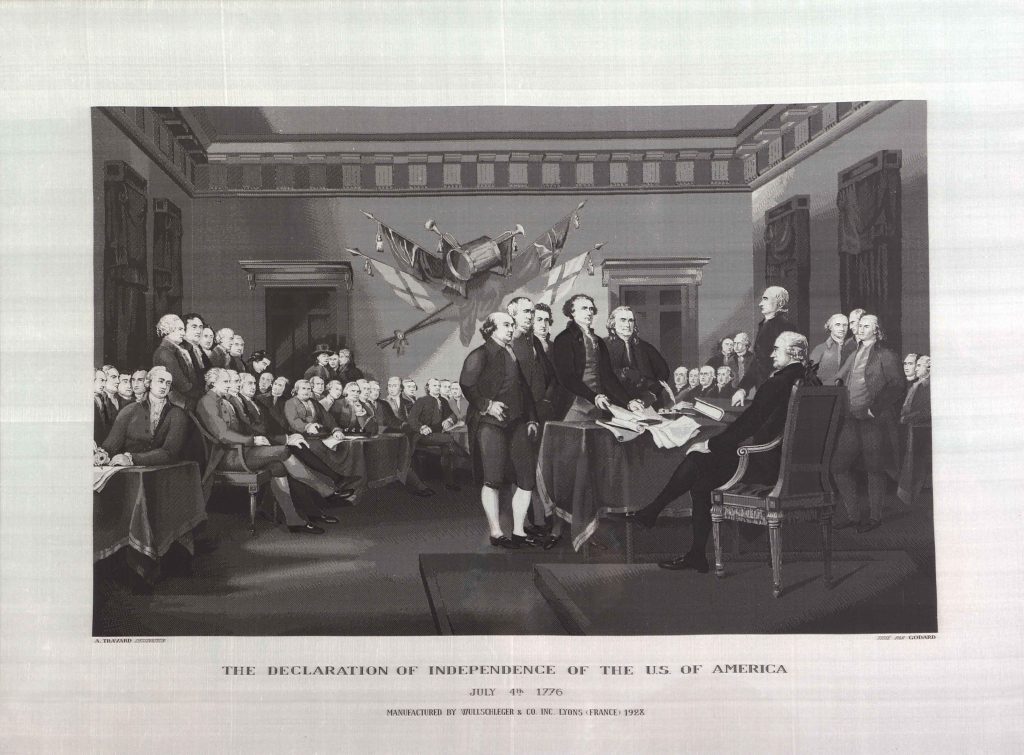
To celebrate the 20th year of his weaving company, Swiss-born immigrant and textile industry entrepreneur Arthur E. Wullschleger commissioned a masterpiece to showcase his firm’s silk-weaving prowess and artistry. At the time of its creation, only two other silk-thread portraits had been produced in this technically complex manner, and neither portrayed more than eleven figures. This intricate work depicting John Trumbull’s famous painting includes 48 of the 56 signers of the Declaration of Independence.
To achieve the feat, artisans worked for three years, employing 5,872 lines of Chinese silk thread. When the first piece was finished in 1928, Wullschleger explained, “I desire to voice my pleasure and satisfaction in thus helping to preserve, in enduring form, the features of those brave and patriotic men who gave us the foundation on which our national existence rests, ‘The Declaration of Independence’.“
Wullschleger wrote to Secretary of State John Foster Dulles in April 1958 to express gratitude that America had been good to him and allowed him to prosper. He conveyed silk reproductions of the famous John Trumbull painting, requesting they be dispatched to, and displayed at, each of the nation’s embassies abroad.
Gift of Arthur E. Wullschleger, 1958
U.S. Embassy London, United Kingdom
George Catlin
American, 1796–1872
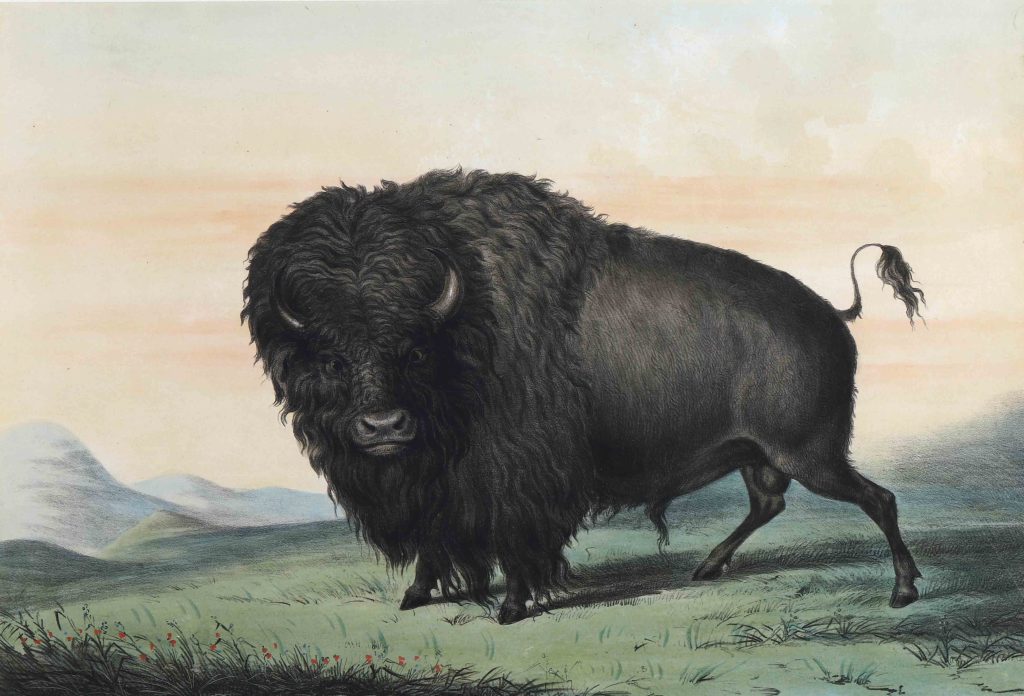
In 1830, George Catlin traveled with famous explorer William Clark up the Mississippi River. For the next nine years, Catlin painted, wrote about, and interacted with the more than fifty Plains Indians nations he encountered. Westward expansion had not yet begun when he began his journey, so his interactions took on a diplomatic character.
Catlin’s paintings were instrumental in generating early, positive impressions of Native American cultures and the North American landscape for American and European audiences.
This first edition set of thirty-one prints was gifted to the U.S. Embassy in London in 1965.
U.S. Embassy Lima, Peru
Schmieg & Kotzian Furniture
American, founded 1924
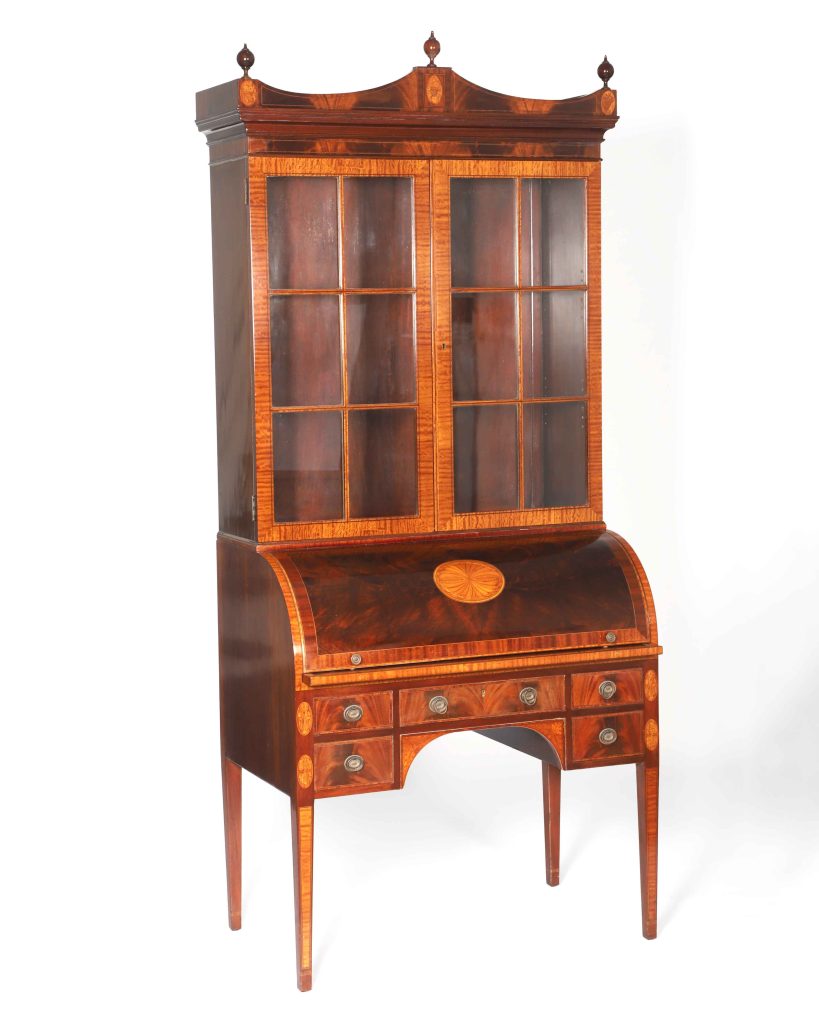
Founded in the 1920s, New York cabinetmaker Schmieg & Kotzian was well known for its extraordinary high-quality workmanship, producing elegant furniture in period revival styles for the U.S. Supreme Court, New York’s Waldorf Astoria Hotel, and members of New York’s social elite.
This rolltop secretary desk has both Federal and Georgian design elements and was purchased in 1950 for the newly built U.S. Ambassador’s Residence in Lima, Peru.
The Lima residence marked the beginning of a new phase in the design of U.S. diplomatic buildings. It signaled a turn away from Classical Revival architecture toward structures based on a more contextual sensibility. The residence’s contextual design did not, however, protect it from repeated terrorist attacks in the last quarter of the 20th century. The attacks cost the lives of several local guards and damaged the house.
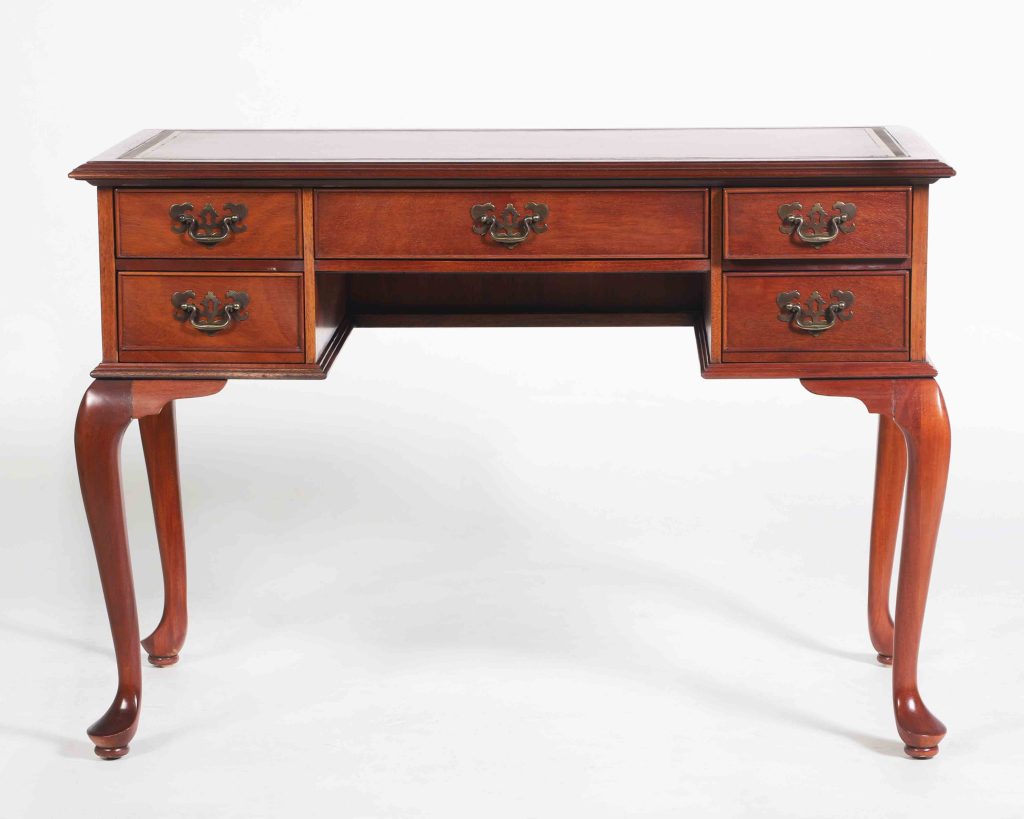
U.S. Embassy Warsaw, Poland
The State Department’s Cultural Heritage collection features antique furniture of many styles and eras with influences from many places. This Queen Anne style desk, with its signature cabriole legs, is actually a high-quality reproduction from the early 20th century. As an early purchase for the ambassador’s residence, this desk has withstood roughly eighty years of use during the tenures of over twenty ambassadors at U.S. Embassy Warsaw.
While not a rare antique, the significance of this piece and many objects in the Department of State’s Cultural Heritage collection, lies in their provenance in relation to one or more US embassies around the world. Unlike most museums, the entirety of the Department of State’s heritage collection of art, artifacts and furniture is used as part of the daily functions of the embassy. Sometimes reproductions were purchased to furnish a newly acquired residence or were donated by an ambassador or local institution.
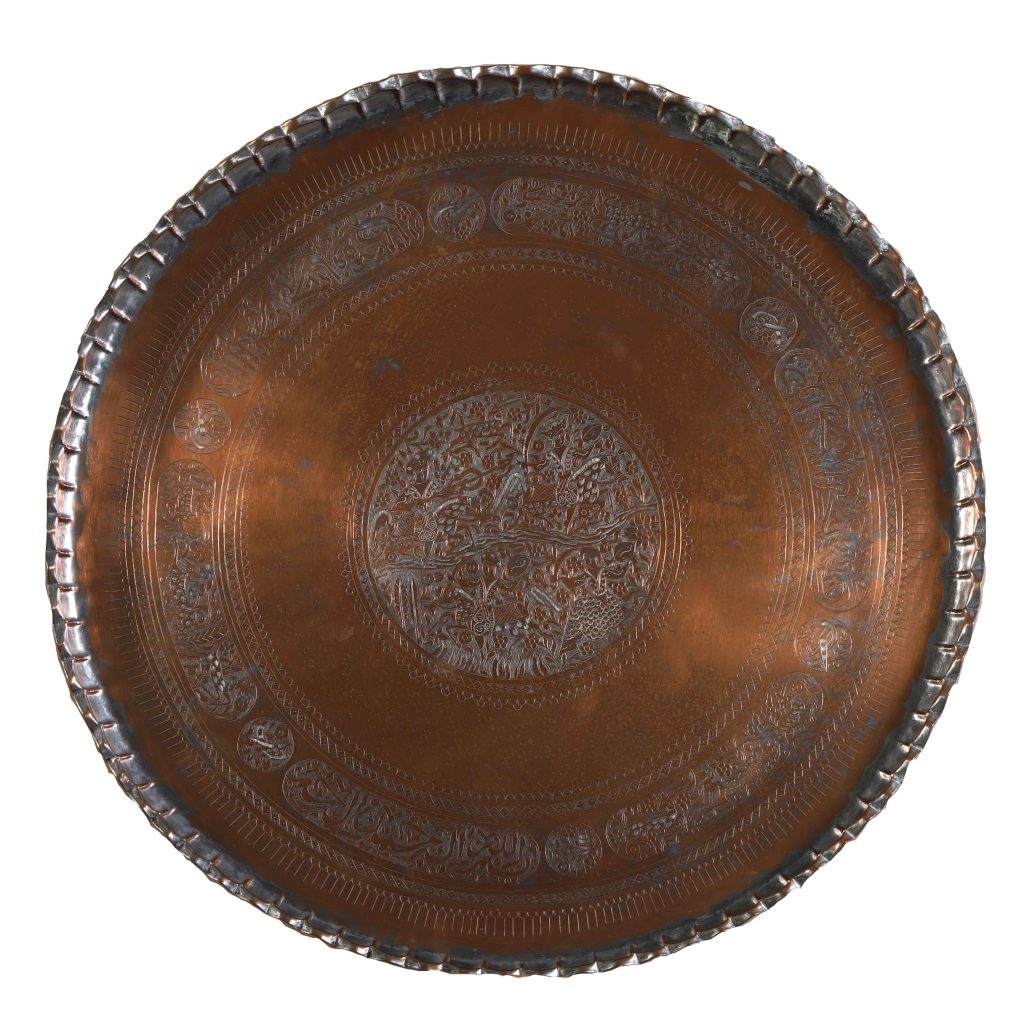
U.S. Embassy Damascus, Syria
This antique tinned copper tray displays exceptional repoussé (hammered relief) work. Originating from the Middle East, the tray features a central circular design with stylized figures and animals in a hunting scene. It exhibits traditional metalworking techniques with intricate geometric patterns surrounding the central scene. The “pie crust” style scalloped rim adds to the piece’s appeal and is a testament to the cultural exchange and artistry of the region.
Until 2012, this tray was displayed at U.S. Embassy Damascus until U.S. personnel were evacuated and the embassy was closed during the rapidly deteriorating security situation in the Syrian capital. Today it is displayed in the State Department’s Office of Cultural Heritage as a reminder of the importance during times of war and upheaval in host countries to protect and preserve art and artifacts which chronicle our nation’s cultural and diplomatic history abroad.
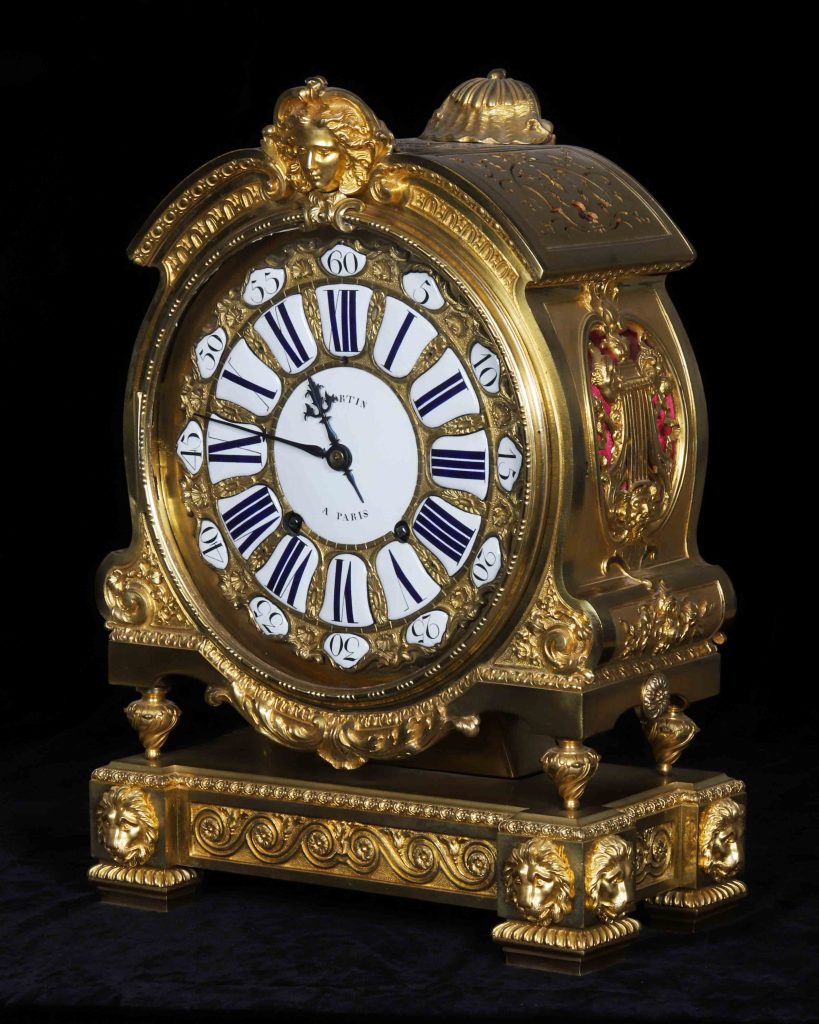
U.S. Embassy Paris, France
Nicolas Fortin
French, died 1727
Signed “Fortin à Paris” on its face, this timepiece was manufactured by the Fortin family, a renowned 18th century dynasty of Parisian clock makers. The intricate detailing depicts a lyre on each side, two ram’s heads, crossed swords, a mask, and lion heads along its base. The ornamentation is further enhanced with garlands, flowers, and leaves, demonstrating the exceptional craftsmanship of Fortin’s Regency Period clocks.
This piece was donated, along with several other exceptional antiques, by Ambassador David K.E. Bruce and his wife Evangeline upon his retirement from the diplomatic corps at the end of his service as U.S Ambassador to the North Atlantic Treaty Organization (NATO). Today, this clock adorns the mantel at Truman Hall, the official residence of the U.S. Permanent Representative to NATO in Brussels, Belgium.
Donated by Ambassador & Mrs. David K. E. Bruce, 1976
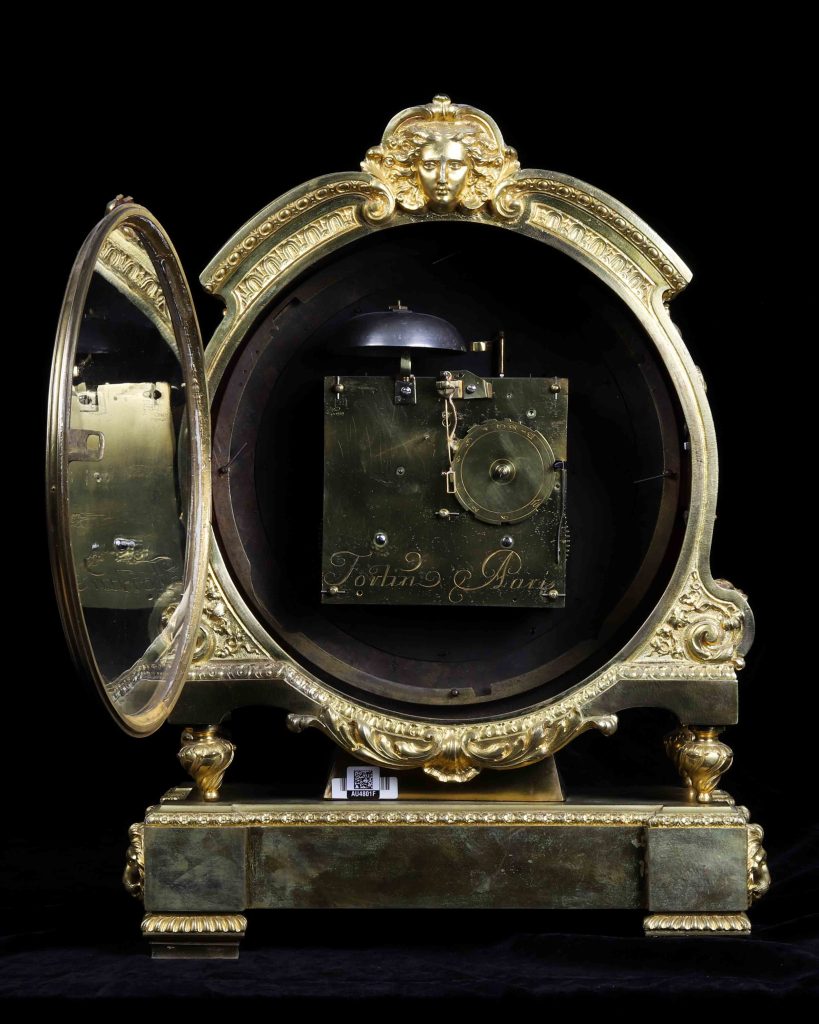
U.S. Embassy Paris, France
Nicolas Fortin
French, died 1727
Signed “Fortin à Paris” on its face, this timepiece was manufactured by the Fortin family, a renowned 18th century dynasty of Parisian clock makers. The intricate detailing depicts a lyre on each side, two ram’s heads, crossed swords, a mask, and lion heads along its base. The ornamentation is further enhanced with garlands, flowers, and leaves, demonstrating the exceptional craftsmanship of Fortin’s Regency Period clocks.
This piece was donated, along with several other exceptional antiques, by Ambassador David K.E. Bruce and his wife Evangeline upon his retirement from the diplomatic corps at the end of his service as U.S Ambassador to the North Atlantic Treaty Organization (NATO). Today, this clock adorns the mantel at Truman Hall, the official residence of the U.S. Permanent Representative to NATO in Brussels, Belgium.
Donated by Ambassador & Mrs. David K. E. Bruce, 1976

OUR NON-PROFIT PARTNER
The Fund to Conserve was established, in 2012, as a 501(c)(3), independent, non-profit, nonpartisan private sector partner to the U.S. Department of State, Overseas Buildings Operations, Office of Cultural Heritage. The purpose of this public-private partnership is to fund – through philanthropic giving – the conservation and preservation of the Department of State’s many properties of cultural and architectural significance, and the heritage collections they house.